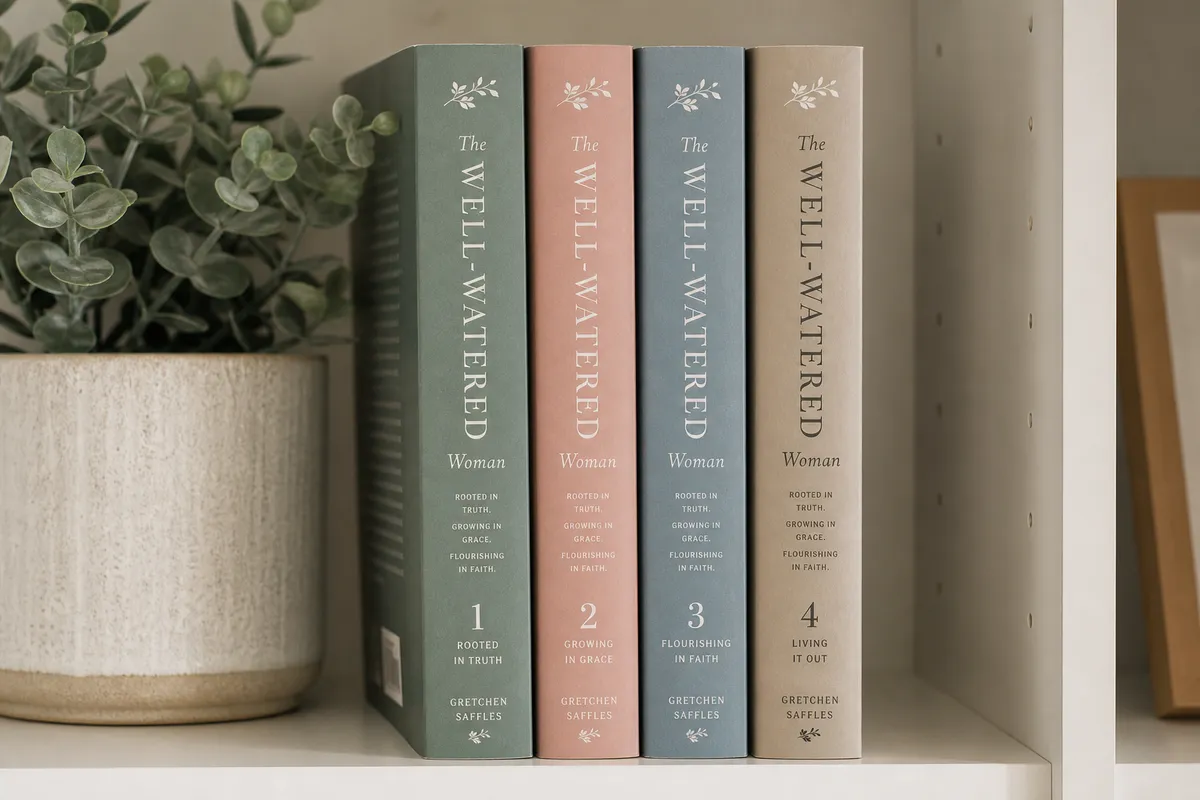
Formatting a book series consistently requires establishing a unified design system before publishing volume one: lock in identical trim sizes, font pairings, margin spacing, and heading hierarchies, and create a shared cover layout template with static coordinates for titles and author names across all volumes.
Mismatched trim sizes, inconsistent cover layouts, or differing body fonts destroy series read-through rates and reader trust. Professional book designers treat a multi-book series as a single product line.
In this guide, we detail what specifications to lock, how to structure your cover and spine templates, and list batch-production benefits. Before formatting, read our standard book trim sizes guide to choose your target size, then calculate your exact spine width once your interior page layout is finalized. Ensure your final file complies with print-ready PDF requirements and compare Word versus InDesign formatting workflows to see how design quality affects your series consistency.
Lock These Specs Before Volume One Goes Live
Document and never change without intentional rebrand:
- Trim size (same for all volumes)
- Interior font family and size
- Heading styles (chapter, part, scene break ornament)
- Margin and gutter rules
- Page number placement
- Front matter order
Changing trim after volume one means new cover dimensions and confused readers who own mismatched sets.
Use one ISBN block and imprint for bookstore-ready series branding.
Cover System: Template, Not One-Off Art
Build a cover template with fixed:
- Title placement band
- Author name position
- Series name or number badge
- Palette and typography rules
Volume 3 should differ in illustration or photo, not in layout grid. Study bestseller series in your genre on Amazon USA and UK storefronts.
See cover trends for genre-appropriate systems.
Spine Design When Page Counts Vary
Each volume has a different spine width. Recalculate per book using KDP and IngramSpark formulas.
Keep spine typography consistent: same font, same vertical placement, volume number in the same corner. Only the width changes.
Batch-format interiors before covers so page counts are final.
The Ultimate Series Design System Checklist
To build a professional series, you need a shared style guide. Here is the checklist we use at DesignDile to maintain strict quality across multiple volumes:
- Consistent Trim Size: Never change width or height across volumes (e.g., stick to 5.5 x 8.5" or 6 x 9" throughout the series).
- Consistent Cover Grid: Establish fixed coordinates for titles, author names, and subtitle/volume number badges.
- Consistent Typography: Use the exact same font pairing for titles, subtitles, spines, and interior page headers.
- Consistent Spine Layout: Place the title, author name, and publisher logo at the same vertical coordinates across all books, varying only the spine thickness.
- Volume Numbering: Display volume numbers clearly on both the cover/spine and in the interior title pages.
- Series Logo or Badge: Incorporate a unified emblem or design motif that links the covers visually.
- Back Cover Template: Use matching grid positions for barcodes, review callouts, and description blurbs.
- Interior Style Sheet: Maintain identical margin sizes, paragraph indentation, drop cap designs, and scene break ornaments.
- Metadata Consistency: Use the same series name, imprint, and keyword groups when setting up each volume in KDP and IngramSpark.
By following this system, you establish a reliable brand that increases reader read-through and confidence.
Pro Insight
- Keep a shared master assets folder with templates, style sheets, and logo files.
- Coordinate cover illustration commissions ahead of time to maintain style consistency.
Amazon Series Metadata and Ingram Consistency
On KDP, link books to a series with correct reading order. Match titles exactly across paperback and ebook.
For IngramSpark, consistent imprint name and ISBN prefix help libraries and stores catalogue your series.
Write series-aware Amazon descriptions that tease the next volume without spoilers.
Batch Production Saves Money and Time
Hiring a formatter for three books at once costs less per unit than three separate projects. Deliver manuscripts together with a series style sheet.
Our formatting timeline guide explains batch scheduling, and you can learn more in our guide on the self-publishing design timeline.
Brief designers with the full series arc—see how to brief a book designer.
The Takeaway
Planning a multi-book series? Don't leave your brand consistency to chance. Request a series design system from DesignDile, or check out our portfolio and book cover design and interior formatting services to see how we help authors build unified, professional bookshelves.
Frequently Asked Questions
Sources & Technical References
Related reading

Book Cover Design
Bestselling Book Cover Design Trends 2026: What Attracts Readers Today
11 min read

Industry Trends
Fantasy Book Cover Design Trends 2026: Romantasy, Dark Academia, Epic & Minimalist Styles That Sell on Amazon KDP
14 min read

Book Cover Design
Book Cover Design Cost by Genre 2026: Romance, Fantasy, Thriller & Nonfiction Price Breakdown
14 min read
Explore our series cover design, read fantasy cover trends, see series in our portfolio, or view transparent pricing.